

The Retinoid Breakdown
Vitamin A and its derivatives, collectively known as retinoids, are among the most well-researched ingredients in skincare. Professionals often recommend them to address visible signs of ageing, such as the appearance of fine lines, wrinkles, and uneven texture. However, the experience of using a retinoid can vary dramatically, depending on the retinoid used, with many clients reporting redness, peeling, and sensitivity.
This common reaction has led many to believe that irritation is a necessary part of the process. But what if it were possible to achieve the desired results without compromising the skin’s barrier? The evolution of skincare science has introduced advanced alternatives that offer a gentler, more skin-efficient approach. This post will explore the different types of retinoids, focusing on how a newer form, Hydroxypinacolone Retinoate (HPR) or retinoate, works differently to support acne-prone and ageing skin.
Understanding the Retinoid Family
To appreciate the benefits of retinoate, it helps to understand how different retinoids function. Think of the term “retinoid” as an umbrella category for all Vitamin A derivatives. For many retinoids to be effective, they must first be converted into the active form of Vitamin A, retinoic acid, to be used by the skin.
The number of conversion steps a retinoid must undergo directly impacts both its effectiveness and its potential for irritation.
Retinol
Retinol is the most well-known over-the-counter retinoid. It is more effective than retinyl esters because it is closer to retinoic acid, requiring just two conversion steps (retinol → retinaldehyde → retinoic acid). However, these enzymatic conversions can be stressful for the skin, often leading to the familiar side effects of dryness, redness, and flaking.
Retinyl Esters (e.g., Retinyl Palmitate)
These are the mildest forms of retinoids and are found in many over-the-counter products. They require three conversion steps to become retinoic acid (retinyl ester → retinol → retinaldehyde → retinoic acid). While they are very gentle, they are also the least potent.
Retinaldehyde (Retinal)
One step away from retinoic acid, retinaldehyde is more efficient than retinol but also carries a higher potential for irritation. It requires only one conversion to become active in the skin. Its instability, due to its tendency to degrade from light, oxygen and heat, can also contribute to sensitivity.
Retinoic Acid (e.g., Tretinoin)
This is one of the forms of Vitamin A that the skin can use immediately, available only by prescription. It does not require conversion and binds directly to the skin’s retinoid receptors. While effective, it can damage the skin barrier and cause irritation, making it unsuitable for many individuals, especially those with sensitive or reactive skin.
A New Approach: Hydroxypinacolone Retinoate (HPR)
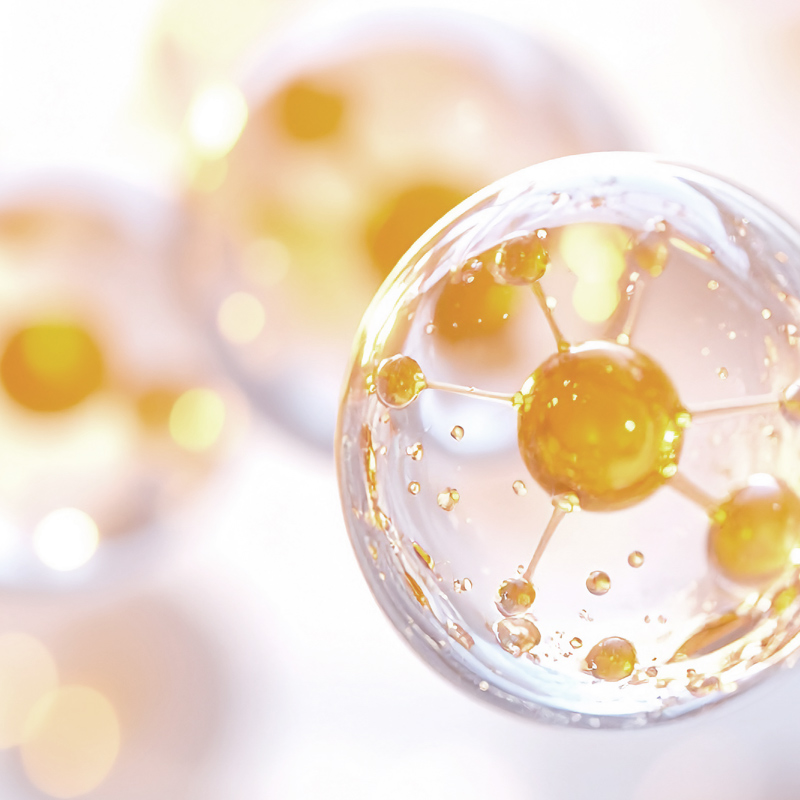
Hydroxypinacolone Retinoate, also known as granactive retinoid or retinoate, represents a significant advancement in retinoid technology. Retinoate is an ester of retinoic acid, but unlike other esters, it does not need to be converted to be used by the skin. It is unique because it can bind directly to retinoid receptors and be used immediately by the skin, like prescription-strength retinoic acid, but without the irritating side effects.
Why Direct Binding Matters
The conversion process required for traditional retinoids is a primary source of irritation. Each step can trigger a response in the skin that can lead to visible redness, dryness and peeling. By bypassing this multi-step process entirely, retinoate delivers the benefits of Vitamin A more efficiently without overwhelming the skin’s barrier.
This direct-action mechanism means you get the performance of a powerful retinoid without the side effects. It offers an effective way to address the appearance of ageing for a wider range of skin types and conditions, including those who previously could not tolerate retinoids in the past.
The Benefits of HPR
- Reduced Potential for Irritation: Because it does not need to undergo the same enzymatic conversion process as retinol or retinaldehyde and can be used by the skin immediately, retinoate is significantly less likely to cause irritation. This makes it applicable to use.
- High Performance: Retinoate interacts directly with retinoid receptors to support the skin’s natural processes. It helps to improve the look of fine lines, wrinkles, and uneven skin tone, promoting a smoother and more refined complexion.
- Enhanced Stability: Compared to other forms of Vitamin A like retinaldehyde, retinoate is a more stable molecule. This ensures that the product remains effective from the first use to the last, delivering consistent results over time.
How NeoGenesis Skin Restore Serum Utilizes Retinoate
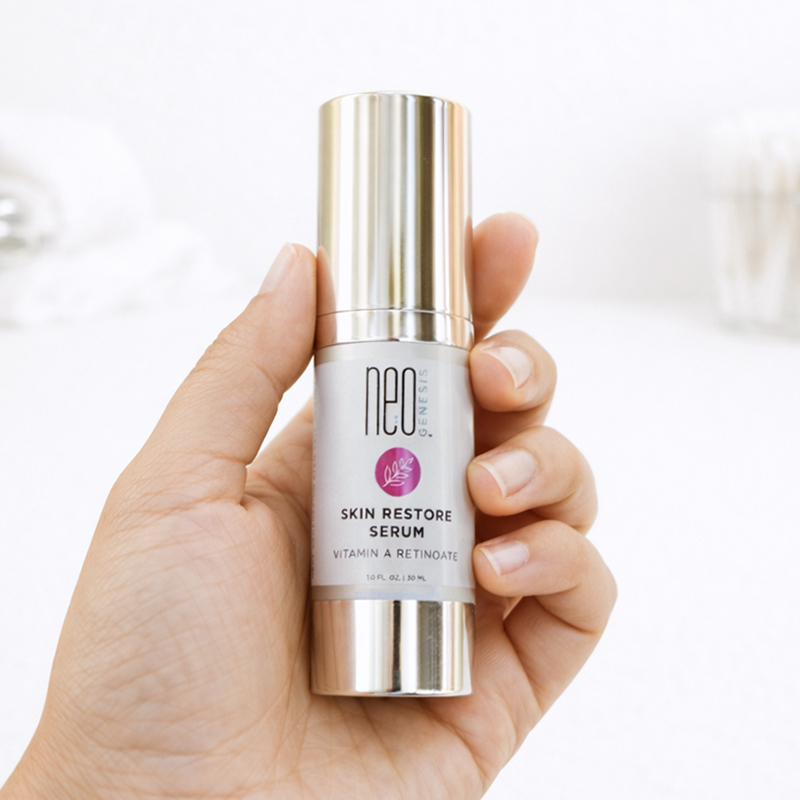
Understanding the science behind retinoate led NeoGenesis to formulate Skin Restore Serum. This advanced serum was created to provide the corrective support of a retinoid without the associated downtime and discomfort. It pairs retinoate with other sophisticated ingredients to restore the skin with Vitamin A along with nourishing antioxidants for instant and long-acting benefits.
The goal was to develop a product that professionals could confidently recommend to clients with various skin concerns, including sensitivity. Skin Restore Serum achieves this by using a low concentration of this high-performance retinoid. The formula is effective yet gentle enough to be integrated into an evening routine multiple times a week without disrupting the skin barrier.
By leveraging the direct-binding power of retinoate, Skin Restore Serum helps to:
- Normalize pore function to help prevent acne and promote a clear complexion.
- Improve the appearance of skin elasticity and firmness.
- Increase cellular turnover to speed up results on hyperpigmented skin.
The efficient nature of retinoate makes Skin Restore Serum a versatile product in any age management protocol.
Integrating Retinoids into Your Protocols
When recommending a retinoid, client education is key. It’s important to set realistic expectations and provide clear instructions. Even with a gentle formula like retinoate, it’s wise to start slowly. Suggest that clients begin by applying the serum one to two evenings per week, gradually increasing to four or five nights as their skin acclimates.
For maximum benefits, Skin Restore Serum combines a retinoid with nourishing ingredients like sunflower seed and carrot seed oil. Due to its moisturising benefits, the serum can be layered over other serums like Recovery, Booster or Skin Serum or used in place of a moisturiser for those with oily to combination skin or who prefer a lightweight finish. Users can add a moisturiser on top, like Barrier Renewal Cream, if desired.
A New Era in Age Management
The evolution of retinoids from traditional retinol to advanced retinoate marks a new era in age management and acne treatment. It is now possible to offer clients an effective Vitamin A solution that respects the integrity of their skin barrier. With formulations like Skin Restore Serum, you can provide targeted support for ageing, pigmentation and acne concerns without the irritation that once seemed unavoidable.
FAQs
Is there a gentler alternative to retinol?
Yes. Advances in retinoid science have introduced options that interact more directly with the skin, reducing the need for conversion and improving overall tolerance. If you’re looking for a gentler alternative, Skin Restore Serum with retinoate is a good choice.
Is it normal for retinol to irritate the skin?
Irritation is common with traditional retinol, but it is not required for results. Newer retinoid technologies were developed to support ageing skin without overwhelming the barrier.
Is retinol irritation normal, or is my skin reacting?
Purging is often confused with irritation. Stinging, burning, and prolonged redness are more consistent with irritation rather than a normal adjustment response. You may want to decrease or discontinue retinoid use if you’re experiencing irritation. Purging, on the other hand, is a normal reaction to retinoid use where the Vitamin A induces cellular turnover, rapid exfoliation and extrusion of oils, debris and bacteria from the epidermis. This effect will gradually subside over time.
Why is retinol so drying?
Retinol can feel drying due to how it interacts with the skin during the conversion process. This process may temporarily disrupt the skin’s natural lipid barrier and increase exfoliation activity, which can lead to moisture loss and a tight or flaky skin feel. Skin Restore Serum includes nourishing lipids and antioxidants, such as sunflower seed oil, carrot root extract, and glycerin, to help support skin comfort and balance.
Why did my skin get worse after starting retinol?
Some individuals experience visible irritation or dryness when their skin cannot adapt to retinol’s conversion demands. While retinol is effective for many, it is not the best fit for every skin type. For some individuals, retinoate (also known as Hydroxypinacolone Retinoate, or HPR) may offer a more tolerable Vitamin A option, as it does not require conversion in the skin and may be better suited for those who struggle with sensitivity or irritation.
Did retinol damage my skin barrier?
Overuse, high concentrations, or inadequate formulation support can contribute to barrier disruption and can lead to rashes such as perioral dermatitis. Common signs that your barrier is disrupted may include persistent dryness, increased sensitivity, stinging when applying products, redness, or a tight, uncomfortable skin feeling. Pausing your usage until skin becomes comfortable, choosing a more efficient retinoid format such as retinoate and incorporating it slowly into your skincare routine can help you achieve the results from Vitamin A without the side effects.

NeoGenesis Australia
+61 (2) 82033339
info@NeoGenesisPro.com.au
www.NeoGenesisPro.com.au


